MP Helen Haines was struck by a vehicle in Australia this week in what police describe as a targeted incident. Here in the UK, the murders of MPs Jo Cox and Sir David Amess remind us of the risks faced by politicians. Michael Fanstone spoke to Labour MP Rachael Maskell and Christian journalist and minister Rev Peter Crumpler about the impact of political hostility, social media and how Christians can see the person behind the politics.

Martyn Link, co-founder of The Business Connection, joins Michael outside the SEC Armadillo to talk about The Calling, a conference exploring a word we use a lot, but often struggle to put into practice. What does it mean to be called, and why are so many of us still searching for it?
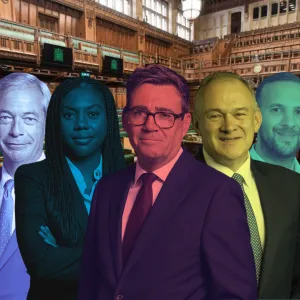
Has any political party convinced you to vote for them? As conference season draws to a close, with the SNP still to come, what kind of United Kingdom is each party proposing? And what do their visions have to say about Christian ideas and the teachings of Jesus? Michael spoke to Labour councillor and Church of England priest Ryan Rodrigues, former Conservative councillor Clare De Silva, and Alicia Edmund, head of public policy at the Evangelical Alliance, to explore faith and politics.
Have you ever felt guilty about how little time you spend praying? Instead of beating ourselves up, why not join thousands of Christians next week for the National Week of Prayer? Bringing together churches, businesses, schools and homes across denominations, Michael spoke to founder Kam Flynn about how it works and why prayer matters.
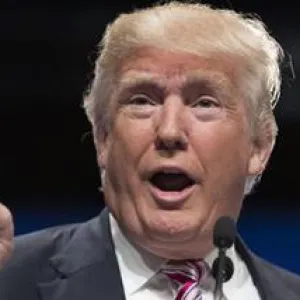
Former BBC journalist Julia Bicknell and John Heathershaw, Professor of International Relations at the University of Exeter, joined Michael to discuss Trump’s attempt to restrict journalists from the White House. They talk about where criticism of media veers into attempts to silence, why outlets must be allowed to get things wrong, and the lack of accountability of new forms of journalists. Plus, why truth should always come before fears about reputational damage - particularly in the Church.
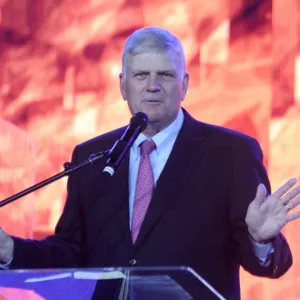
Franklin Graham joined Michael ahead of his God Loves You Tour stop at Co-op Live in Manchester, reflecting on returning to a city where his father Billy Graham preached 65 years ago, what he hopes will happen as thousands gather to hear the message of Jesus, and the Trump administration’s media restrictions, including why he isn’t advising the President either way.
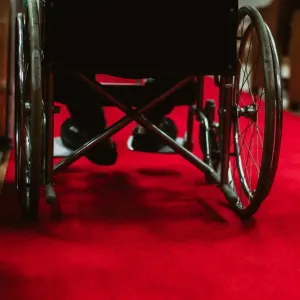
Is ableism an overlooked prejudice in the church? Kay Morgan-Gurr, co-founder of the Additional Needs Alliance, and Katie Budd, Team Leader of Through the Roof’s Roofbreaker project, joined us to share some of the worst things they’ve heard in church, why inclusion starts with a conversation, and how churches can help people discover their potential rather than focus on their limitations.
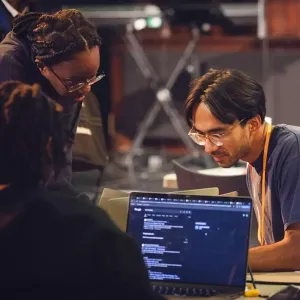
What exactly is a hackathon, and what does it have to do with building God’s Kingdom? James Dec, a software developer, and Tim Last, Creative Lead at FaithTech, join Michael to talk about BUILD, an annual 30-hour hackathon bringing Christians together to use technology for ministry. They share how previous projects have helped transform the work of charities like Christians Against Poverty, the key to getting through the night, and why they’re not worried about AI ending humanity.
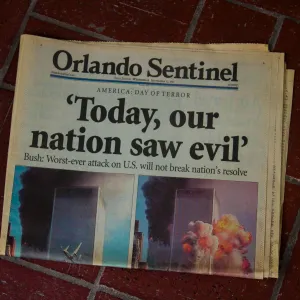
Historian and commentator Martyn Whittock joined Michael to reflect on why September 11th 2001, still shapes our world. But first, we heard from Sujo John, who was in the North Tower when the first plane hit that fateful morning.

The Psalms have long been a source of inspiration for worship artists — but for Phil Wickham, that connection has taken on a whole new meaning. He’s been chosen to voice David in a new animated film about the biblical king. Esther Higham spoke to Phil about the parallels between David’s story and his own, before Michael caught up with producer Jamie Pratt, who watched an early screening of the film.
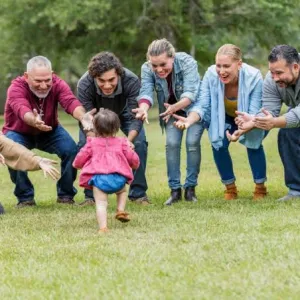
Do you have aunties and uncles in your life? Not necessarily relatives, but older Christians who check in, offer wisdom, challenge you or simply make sure you’re okay. Should caring for one another be the responsibility of the whole Church? Theo Manderson, a Premier Gospel presenter passionate about mentoring young people, and writer Alex Noel, who focuses on communicating faith and drawing people closer to Jesus, spoke to Michael on the subject...
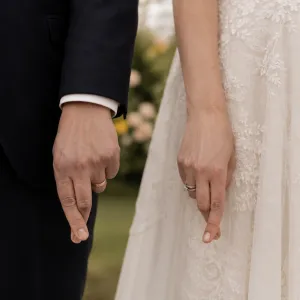
Are prenups wise preparation — or planning for divorce before you’ve even said “I do”? A recent BBC report found almost half of married Millennials in the US, and more than a third of Gen Z adults, have a prenup. In the UK, it’s around one in ten couples. So are prenups sensible financial planning, or do they reveal something deeper about how we view marriage? Michael Fanstone discussed it with Tony Wilson and Maryane Mwaniki of Eden Relationships.
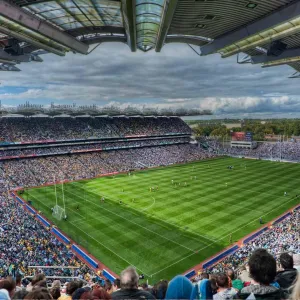
For 75 years, Mayo’s Gaelic football supporters wondered whether their county was living under a curse. Now that the so-called curse has finally been broken, it raises a deeper question: do words carry real spiritual weight, or are we simply looking for meaning in a remarkable sporting story? Ephesians 6 speaks of spiritual forces. But how should Christians approach the supernatural without fear? Michael was joined by Matt Johnson from the Global Prophetic Alliance.

When we talk about charity, we champion generosity and compassion. But are we getting the way we talk about the people we serve right? Does the “white saviour complex” highlight a genuine problem, or oversimplify? Are we listening to Global South communities, or telling their stories for them? Michael was joined by Ben Rogers from Fortify Rights and Fiona Fearon from Open Doors UK.

How do you let someone know they’re more than a friend, without crossing the line into sin? The Bible doesn’t explicitly say whether Christians should kiss while dating, so where do we draw the line? Is kissing innocent affection, or can it make sexual temptation harder to resist? Michael was joined by Sharyn Kyazze, host of Premier Gospel’s Swipe Right For Jesus, to offer some advice.
